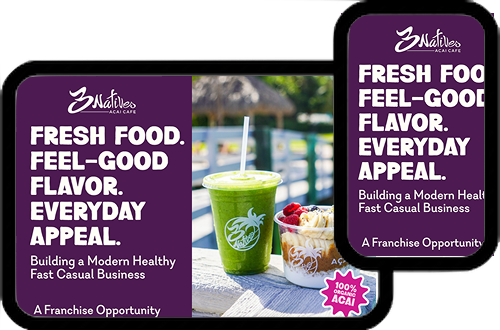
Consumer demand for healthier dining isn't slowing down. More people are choosing meals that fit their lifestyles, whether that's grabbing an açaí bowl after the gym, ordering a fresh wrap for lunch, or picking up a smoothie on the way to work. As these habits become part of everyday routines, healthy fast-casual restaurants continue to gain market share.
For entrepreneurs, that shift creates an opportunity to invest in a franchise that aligns with long-term consumer trends rather than short-term food fads.
But not every healthy food franchise operates the same way.
Some brands require full commercial kitchens, extensive buildouts, and large teams. Others have streamlined operations, smaller footprints, and simpler kitchen designs that can reduce startup costs and day-to-day complexity.
This guide compares some of the best healthy food franchises for 2026, explains what makes them successful, and highlights the factors every prospective franchisee should evaluate before investing.
Why Healthy Food Franchises Continue to Grow
Healthy eating has evolved from a niche market into a mainstream expectation. Consumers are looking for food that tastes good, fits busy schedules, and supports healthier lifestyles.
Unlike many traditional quick-service restaurants, healthy concepts often generate repeat visits because they become part of customers' weekly routines. Someone who enjoys an açaí bowl after a workout or a smoothie on the way to work is likely to return multiple times each week, creating consistent traffic and predictable revenue opportunities.
Many healthy food franchises also benefit from:
- Multiple dayparts, including breakfast, lunch, snacks, and light dinners
- Strong appeal among health-conscious consumers
- Premium pricing for fresh, made-to-order food
- Growing demand for convenient, nutritious meals
- Opportunities for catering, online ordering, and delivery
As consumers continue prioritizing wellness and convenience, healthy fast-casual brands are well positioned for continued growth.
Types of Healthy Food Franchises
The healthy food category includes several different business models. Understanding each can help you determine which concept best aligns with your goals.
Açaí Bowl and Superfood Cafés
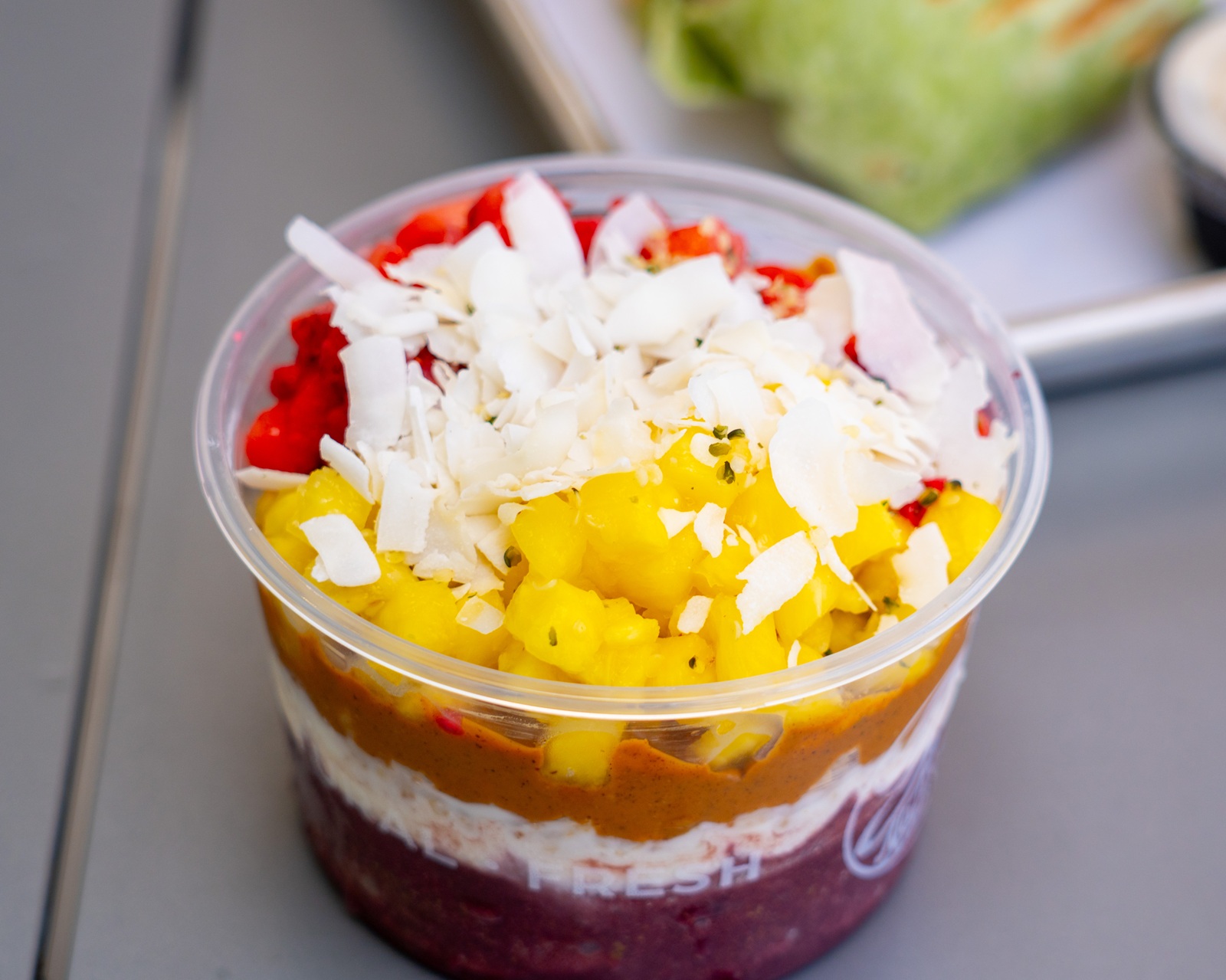
Açaí cafés specialize in customizable bowls made with antioxidant-rich açaí, fresh fruit, granola, nut butters, seeds, and other nutritious toppings. Many also offer smoothies, fresh juices, wraps, salads, and breakfast options.
Because these concepts encourage frequent visits, they often develop loyal customer bases that return several times each week.
Smoothie and Juice Bars
Smoothie franchises serve blended beverages made with fruits, vegetables, protein, and other nutritional ingredients. Many also offer cold-pressed juices, wellness shots, and grab-and-go snacks.
These concepts often operate in smaller retail spaces and can perform well near gyms, universities, business districts, and shopping centers.
Salad and Grain Bowl Concepts
Salad-focused brands offer customizable meals with fresh vegetables, grains, proteins, and toppings.
Their made-to-order format appeals to office workers and families looking for filling meals without the heaviness associated with traditional fast food.
Mediterranean Fast Casual
Mediterranean restaurants naturally fit within the healthy dining category thanks to their emphasis on lean proteins, vegetables, olive oil, fresh herbs, and whole grains.
These concepts typically appeal to a broader audience because they offer enough variety for families and groups.
Meal Prep and Clean Eating Brands
Meal prep franchises focus on convenience by preparing ready-to-eat meals for pickup or subscription delivery.
Rather than relying primarily on walk-in traffic, many generate recurring revenue through weekly meal plans and scheduled customer pickups.
How to Evaluate the Best Healthy Food Franchises
Brand recognition matters, but it's only one part of the equation.
A successful franchise investment depends just as much on operating costs, support systems, and the day-to-day business model as it does on the popularity of the menu.
When comparing healthy food franchises, pay close attention to:
- Initial investment
- Franchise fee
- Royalty structure
- Marketing fund contribution
- Restaurant footprint
- Kitchen complexity
- Training and operational support
- Territory availability
- Long-term growth potential
Looking at these factors together provides a much clearer picture than focusing on startup costs alone.
Compare the Numbers Before You Invest
One of the easiest ways to compare franchise opportunities is by reviewing the financial and operational information provided in each brand's Franchise Disclosure Document (FDD).
For example, according to the 2026 3Natives Franchise Disclosure Document, franchisees can expect:
| Investment Snapshot | 3Natives |
|---|---|
| Initial Franchise Fee | $35,000 |
| Total Initial Investment | $309,000–$524,000 |
| Royalty Fee | 6% of Gross Revenue |
| Brand Marketing Fund | 2% of Gross Revenue (may increase to 3%) |
| Grand Opening Marketing Requirement | $5,000 |
| Typical Restaurant Size | 900–1,200 sq. ft. |
| Seating Capacity | 15–20 guests |
| Kitchen Design | Hood-free |
These numbers provide more than a snapshot of startup costs. They also offer insight into how the business operates.
A restaurant with a smaller footprint and a hood-free kitchen typically requires less complex construction than concepts that rely on full commercial cooking equipment. That can translate into a more efficient buildout process, greater flexibility when selecting real estate, and simpler day-to-day operations. The 3Natives FDD also outlines opportunities for multi-unit development, giving qualified franchisees the ability to expand within designated territories.
Top Healthy Food Franchises Worth Considering
If you're researching the best healthy food franchises, you'll quickly notice that every brand takes a slightly different approach. Some focus exclusively on smoothies or salads, while others offer a broader menu designed to attract customers throughout the day.
Here are several of the top healthy food franchise opportunities to explore.
3Natives Açaí Cafe
3Natives has built its brand around fresh, made-to-order food that fits today's health-conscious lifestyles. The menu includes açaí bowls, smoothies, cold-pressed juices, wraps, salads, toasts, and other nutritious options, giving customers reasons to visit throughout the day instead of for just one meal occasion.
Operationally, the concept stands apart from many traditional restaurant franchises.
According to the 2026 Franchise Disclosure Document, the typical restaurant occupies 900 to 1,200 square feet and utilizes a hood-free kitchen design. The estimated total initial investment ranges from $309,000 to $524,000, with a $35,000 initial franchise fee, a 6% royalty fee, and a 2% brand marketing contribution.
Beyond the numbers, the operating model is intentionally designed for efficiency. Without the ventilation systems, grease traps, and extensive cooking equipment required by many restaurant concepts, franchisees can focus more on delivering exceptional customer experiences and growing their business.
Another differentiator is the menu itself. Rather than relying on a single product category, 3Natives serves breakfast, lunch, afternoon snacks, and post-workout meals, creating multiple opportunities to generate repeat business from the same customer throughout the week.
Learn more about owning a 3Natives franchise.
Vitality Bowls
Vitality Bowls has carved out a niche by specializing in allergy-friendly superfood bowls and smoothies. The brand avoids several common allergens, helping it attract customers with specific dietary needs while building loyalty among health-conscious families.
Rush Bowls
Rush Bowls positions its products as complete meal replacements rather than light snacks. Larger portions and protein-forward recipes appeal to customers looking for a filling breakfast or lunch that fits an active lifestyle.
SoBol
Originally launched on the East Coast, SoBol has expanded through a simple menu centered on açaí, pitaya, and fruit bowls. Its approachable offerings make it an accessible option for customers who are new to the superfood category.
Frutta Bowls
Frutta Bowls combines açaí bowls, smoothies, fresh juices, and healthy snacks within a colorful café environment. Many locations are found in lifestyle centers and shopping destinations that generate consistent foot traffic.
Saladworks
Saladworks is one of the longest-established brands in the healthy fast-casual space. Its menu features customizable salads, wraps, soups, and grain bowls, appealing to office workers, families, and consumers looking for lighter meal options.
The brand's flexibility has helped it remain competitive as customer preferences have shifted toward fresher, made-to-order meals.
Clean Eatz
Clean Eatz combines a café experience with prepared meal plans, giving customers multiple ways to engage with the brand. In addition to made-to-order wraps, bowls, burgers, and smoothies, many locations offer grab-and-go meals and recurring meal plan subscriptions.
This combination of retail sales and recurring purchases helps diversify revenue while appealing to busy professionals and families.
Smoothie King
Smoothie King is one of the most recognizable smoothie brands in the United States. Its extensive menu of smoothies, wellness beverages, and nutritional supplements has helped it build strong brand awareness over several decades.
The concept often performs well in high-traffic retail corridors and fitness-oriented markets where customers are already seeking healthier dining options.
Pure Green
Pure Green focuses on functional nutrition through smoothies, açaí bowls, cold-pressed juices, wellness shots, and nutrient-dense snacks. Its menu emphasizes ingredients that support energy, recovery, and overall wellness, making it popular among fitness-minded consumers.
The Great Greek Mediterranean Grill
While not traditionally viewed as a smoothie or bowl concept, Mediterranean restaurants continue gaining popularity among consumers looking for healthier dining options.
The Great Greek Mediterranean Grill offers grilled proteins, fresh vegetables, rice bowls, salads, hummus, and pita-based meals that appeal to a broad customer base while fitting into today's wellness-focused eating habits.
What Makes Healthy Food Franchises Successful?
A growing market is important, but long-term success depends on much more than consumer demand.
The strongest healthy food franchises combine operational efficiency with a menu that encourages repeat visits and provides multiple revenue opportunities throughout the day.
Some of the characteristics shared by successful healthy food concepts include:
Menu Variety
Customers are more likely to return when a restaurant offers options for different occasions.
Concepts that serve breakfast, lunch, snacks, smoothies, fresh juices, wraps, salads, and bowls can appeal to a wider audience while encouraging more frequent visits from existing customers.
Operational Simplicity
A restaurant that's easier to operate can often be easier to scale.
Simplified kitchen layouts, streamlined food preparation, and efficient workflows help franchisees focus less on managing operational complexity and more on delivering excellent customer service.
Strong Brand Support
The best franchisors provide more than a recognizable name.
Look for brands that offer assistance with site selection, restaurant design, training, marketing, technology, and ongoing business coaching. These resources can make a meaningful difference, especially for first-time franchise owners.
Adaptability
Consumer preferences continue to evolve.
Franchise systems that regularly introduce new menu items, respond to wellness trends, and embrace technology are often better positioned for long-term growth than concepts that remain static.
Understanding Your Initial Investment
Opening a healthy food franchise involves more than paying the franchise fee.
Your total investment typically includes expenses such as construction, equipment, signage, furniture, technology, opening inventory, professional services, permits, insurance, and working capital for the first several months of operation.
For example, according to the 2026 3Natives Franchise Disclosure Document, the estimated initial investment ranges from $309,000 to $524,000, depending on factors such as real estate, construction costs, and market conditions. The initial franchise fee is $35,000, and franchisees contribute 6% of gross revenue in royalties along with a 2% brand marketing fund contribution, which may increase to 3% in the future.
When evaluating any franchise opportunity, it's important to compare the complete investment rather than focusing solely on the franchise fee.
Why Many Entrepreneurs Choose 3Natives
Every franchise has its strengths, but several characteristics help distinguish 3Natives within the healthy food category.
A Menu Built for Repeat Visits
Rather than relying on one signature product, 3Natives offers a diverse menu that includes açaí bowls, smoothies, fresh juices, wraps, salads, toasts, and healthy snacks. This variety allows customers to visit throughout the day and for different occasions, supporting stronger long-term customer relationships.
A Streamlined Operating Model
The brand's hood-free kitchen design simplifies daily operations while reducing the complexity associated with many traditional restaurant concepts. Combined with a typical restaurant footprint of 900 to 1,200 square feet, the model offers flexibility when selecting retail locations and can simplify the buildout process.
Comprehensive Franchise Support
From site selection and training to grand opening guidance and ongoing operational coaching, 3Natives provides franchisees with support throughout the ownership journey. Whether you're entering franchising for the first time or expanding an existing portfolio, having access to experienced operational resources can help reduce uncertainty and improve consistency.
A Brand That Aligns With Consumer Trends
Demand for healthier dining continues to grow as consumers prioritize fresh ingredients, convenience, and customizable meals. 3Natives was built around those preferences, positioning franchisees to serve customers whose eating habits increasingly center on wellness.
Is a Healthy Food Franchise Right for You?
Healthy food franchises offer an opportunity to invest in a category supported by long-term consumer trends rather than short-term dining fads.
However, choosing the right brand requires more than comparing startup costs. Evaluate the menu, operating model, support systems, investment requirements, and overall customer experience before making your decision.
If you're looking for a franchise that combines fresh, made-to-order food with streamlined operations, a hood-free kitchen design, and comprehensive franchise support, 3Natives is worth exploring further.
Learn more about franchise opportunities with 3Natives and discover whether the brand is the right fit for your entrepreneurial goals.
Frequently Asked Questions
What is the best healthy food franchise?
The best healthy food franchise depends on your investment goals, operational preferences, and target market. Many entrepreneurs compare brands based on startup costs, ongoing fees, menu variety, training, and long-term growth potential.
How much does it cost to open a healthy food franchise?
Startup costs vary by concept, location, and restaurant size. According to the 2026 3Natives Franchise Disclosure Document, the estimated initial investment ranges from $309,000 to $524,000, including construction, equipment, inventory, and working capital.
What should I look for in a healthy food franchise?
Consider the total investment, franchise fee, royalty structure, operational complexity, training, ongoing support, brand reputation, and whether the menu is designed to encourage repeat customer visits.
Are healthy food franchises profitable?
Profitability varies by location, operating expenses, customer demand, and how the business is managed. Rather than focusing on potential earnings, prospective franchisees should evaluate the overall business model, support system, and market opportunity when comparing franchise options.
Why are açaí bowl franchises growing?
Consumers continue seeking convenient meals made with fresh ingredients. Açaí bowl concepts combine nutrition, customization, and portability, making them attractive to health-conscious customers and supporting repeat visits throughout the week.
Why choose a hood-free restaurant franchise?
Hood-free restaurant concepts typically eliminate the need for commercial ventilation systems and other specialized cooking infrastructure. This can simplify restaurant operations, provide greater flexibility during site selection, and reduce overall buildout complexity compared with many traditional restaurant concepts.